

Blog
Ici, je vous fais découvrir mon univers : qu’est-ce qui fait que notre métier de traducteur est tellement passionnant ?
Qu’est-ce tout cela implique ?
Toute petite déjà, je savais ce que je voulais faire une fois adulte : « Je veux devenir traductrice ». Aujourd’hui encore, j’exerce mon métier avec beaucoup d’enthousiasme.
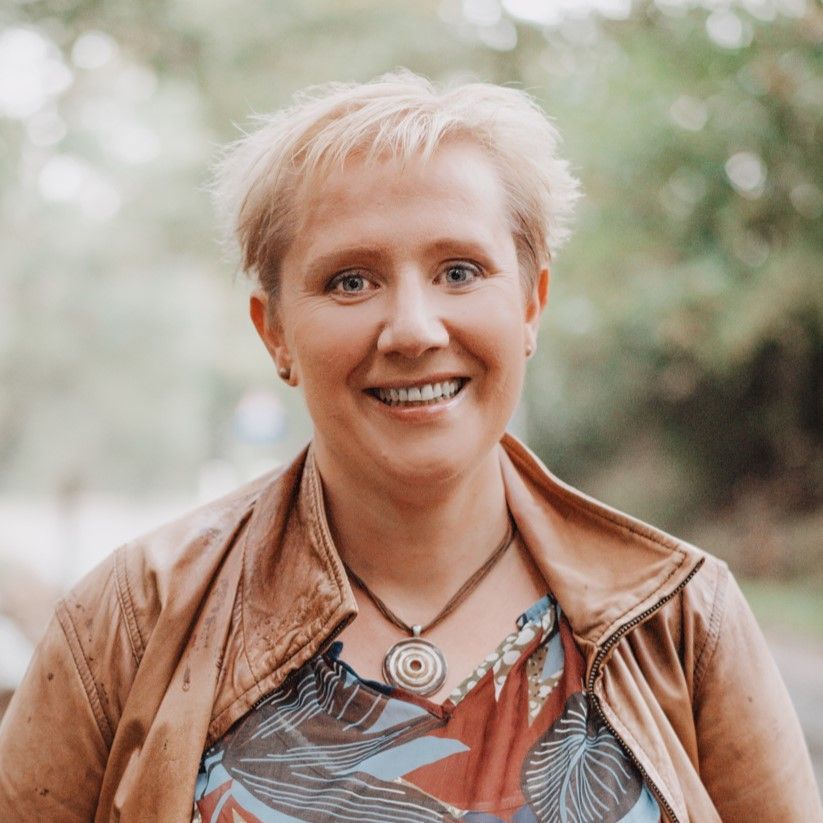
Je m’appelle Els Peleman et je traduis du français et de l’allemand vers ma langue maternelle, le néerlandais. Je suis passionnée par tout ce qui touche au domaine des langues. Le métier de traducteur est très souvent sous-estimé (« je parle couramment anglais/français/allemand », « je peux très bien le faire moi-même », « il suffit d’utiliser Google Traduction »…). C’est suite à cette constatation que je me suis lancée dans l’écriture de ce blog.
Els Peleman
Blog

par Els Peleman
•
2 septembre 2026
« Votre offre de prix est deux fois plus chère que celle de votre collègue. Est-ce normal ? » « Oh là là, c’est bien cher. » Vous avez ce type de réactions lorsque vous envoyez des offres de prix ? Que répondez-vous à cela ?
par Els Peleman
•
28 août 2026
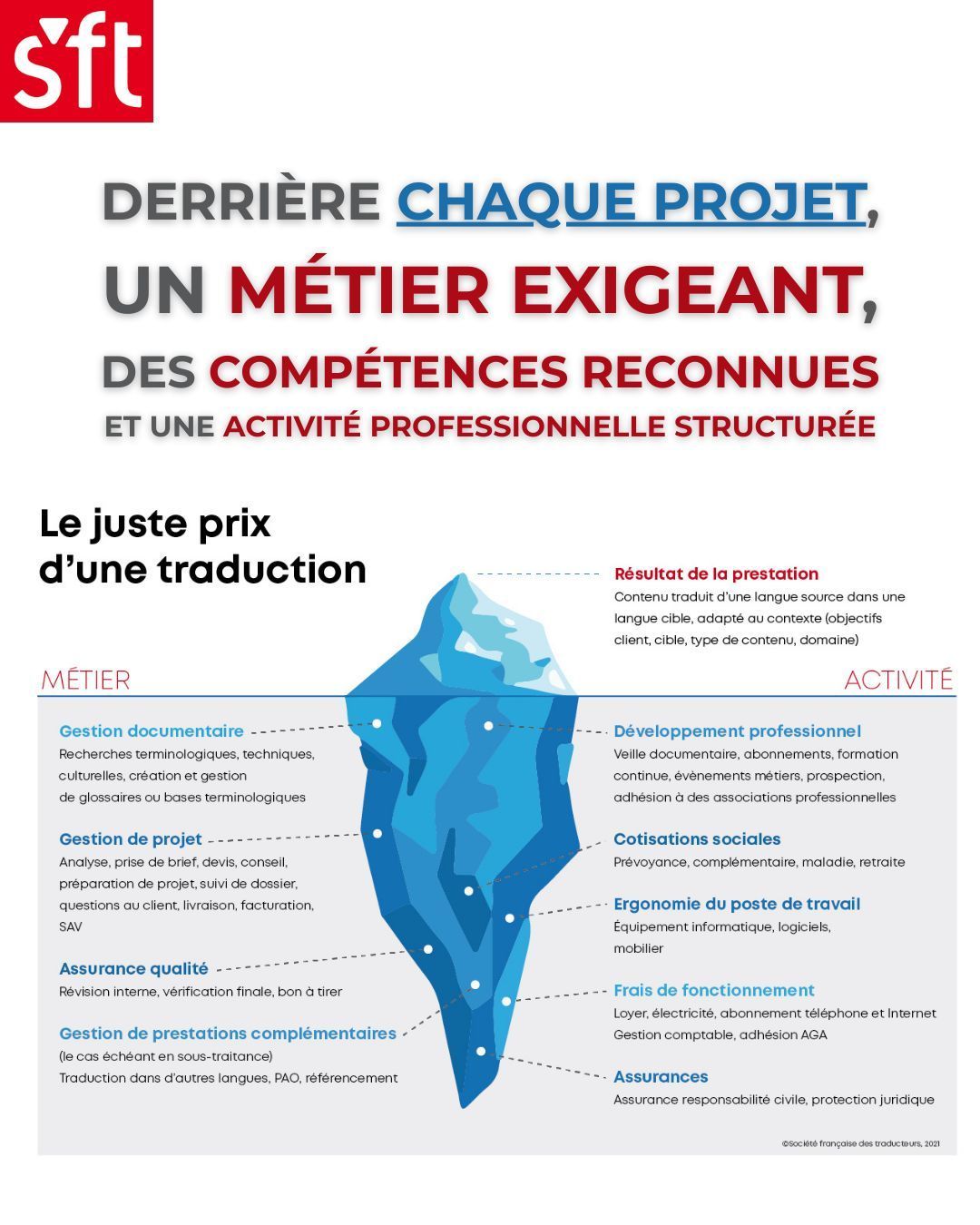
Combien coûte une traduction vers le néerlandais? D'où vient ce prix? Parce que derrière chaque projet se cachent bien plus que des mots.
par Els Peleman
•
2 mars 2026
I believe, I believe, I believe (Ik geloof, ik geloof, ik geloof) (translation of an extract from the Dutch song 'Avond', by Boudewijn De Groot) Last week on this platform, I shared my personal story about battling my demons , my anger at having to give up my dream job due to the dire economic situation, but especially because I felt that the outside world had absolutely no idea of what it means to be a (technical) translator. Wavering between my passion, my fighting spirit, a strong belief in my added value on the one hand and a negative spiral that is inexorably pulling me downwards – you cannot live on your conviction alone – and a battle that I cannot possibly win alone. My story quickly went around the world, and the expressions of support I received in return were overwhelming, not only on LinkedIn but also in my private life. Never before has one of my posts generated such a response. What started as “I need to get this off my chest” became something I can’t put into words, let alone translate. Initially shared out of a feeling of powerlessness and despair, my story somehow gave me some strength again. That’s just the way I am. I cannot and will not dwell on the glass half empty. But I also felt that I could not keep this new feeling, no matter how small, to myself, that I had to share that tiny spark of strength with the world – and especially my colleagues. Yes, of course, the reality is what is: a reality in which “ we don’t compete against AI but against the outside world’s perception that AI can do our work *,” but please let’s not give up! That’s why I hope I can convey some of my newfound strength to you. And entrepreneurs, teachers, outsiders, anyone faced with that choice, don’t believe everything that’s written. Put it to the test and see what gives you the most value: an AI translation or a text translated by a professional. (*translated quote and newspaper headline from the Flemish quality newspaper De Standaard). No, I am absolutely not against AI. Why should I? Without AI, my LinkedIn post would never have gone around the world so fast and I would never have received so many gestures of support. It’s true that AI allows you to read something written in a language you don’t understand. I use it too when I volunteer to teach Dutch to non-native speakers. But I’m never going to claim that AI can take over your job, so please don’t say that about mine either! As I said: “Of course, you can use AI to translate my post into your native language.” But don’t expect AI to convey my story, my despair, my passion with all their nuances. When it comes to deep understanding, especially in communicating emotions, AI fails miserably. For example, an Iranian refugee recently told me in Dutch about his traumatic experience with the Revolutionary Guards. I understood very well that what he was trying to say in Dutch – despite already having mastered the language quite well – was not even half of what he really wanted to say. That’s one of the first and all too common issues you face as a translator and for which you have to come up with a suitable solution: every language is built differently. While Arabic abounds with metaphors to describe mental and physical complaints, Inuit languages – never call them ‘Eskimos’, this is highly offensive to them – have countless words for snow and African dialects for cocoa, your terminology options in Dutch (and by extension almost all Western languages) are far more limited. That is also why I chose a snippet from a Dutch song that for me symbolizes rock-solid trust.
par Els Peleman
•
24 octobre 2025
Une primeur chez EP Traductions : fini de copier/coller les traductions sur les pages Web en langue étrangère. Les sites Web rédigés en Wordpress sont désormais traduits directement dans Wordpress à l’aide du module WPML. Votre avantage : vous recevez un devis détaillé et la tâche de votre webdesigner s’en trouve grandement facilitée.
par Els Peleman
•
1 septembre 2025
If you’re looking for reliable translation agencies for your translation work, you are bound to notice that many major translation businesses are ISO certified. In the translation industry, there are two ISO standards: ISO 17100 and ISO 18587:2017.
par Els Peleman
•
28 février 2025
Software such as Dragon NaturallySpeaking (or Dragon for short) is particularly productive for translators, irrespective of the CAT tool you work with. Translating twice as many words a day is a piece of cake
